
A Smooth Touchdown and Take-Off Starts Here
Romsey Flight Area and Operations
Operational Info
-
-37.392401, 144.737796 chart
-
YRSY
-
CTAF: 126.7 MHz
MISC: 135.7 MHz
-
1,500 ft / 457 m MSL
-
Please refer to the circuit diagram for the noise sensitive area.
-
03-21
3,198 ft (975 m)
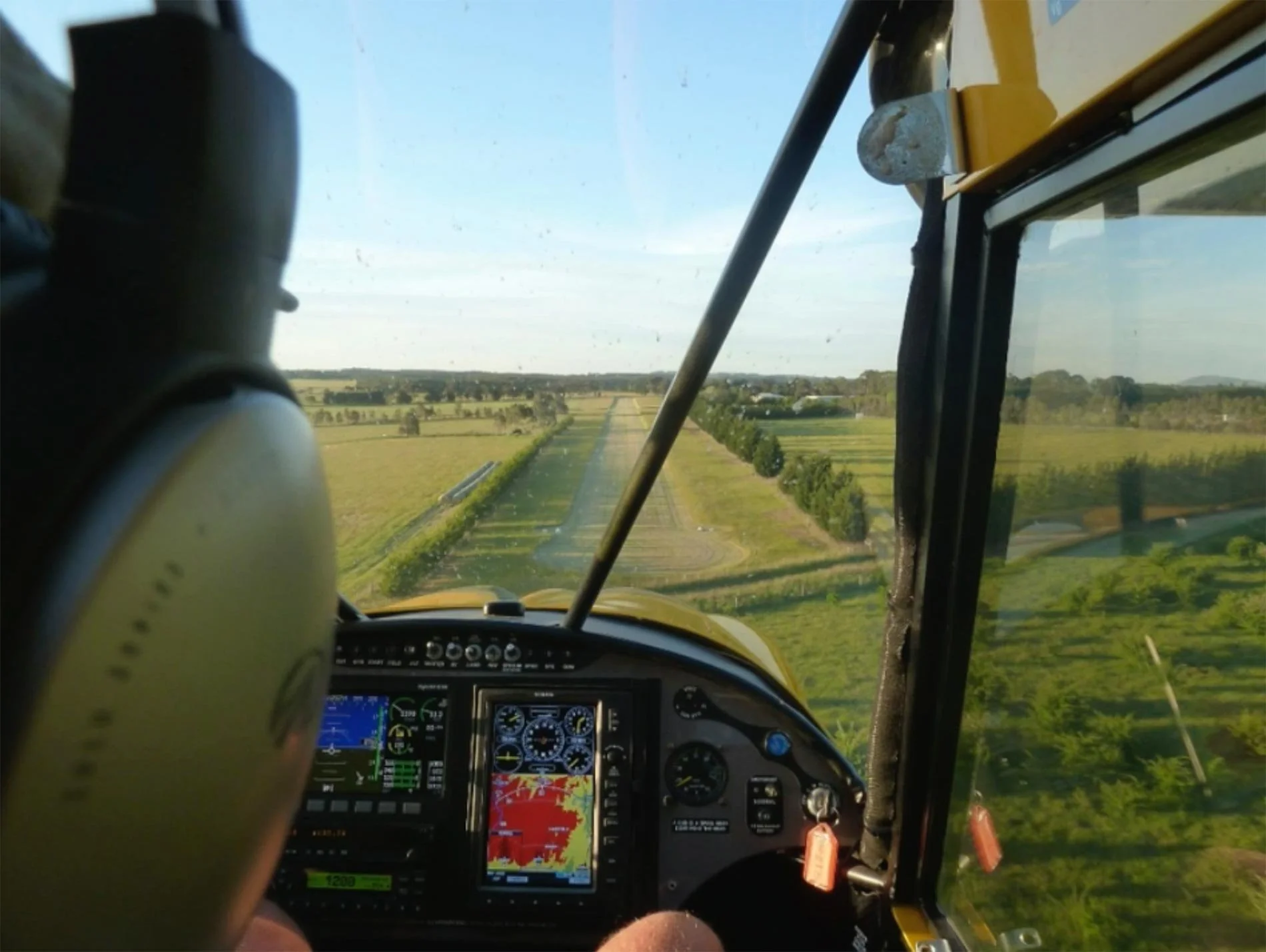
Surface unpaved (grass), not lighted.
15-33
2,395 ft (730 m)
Surface unpaved (grass), not lighted.
-
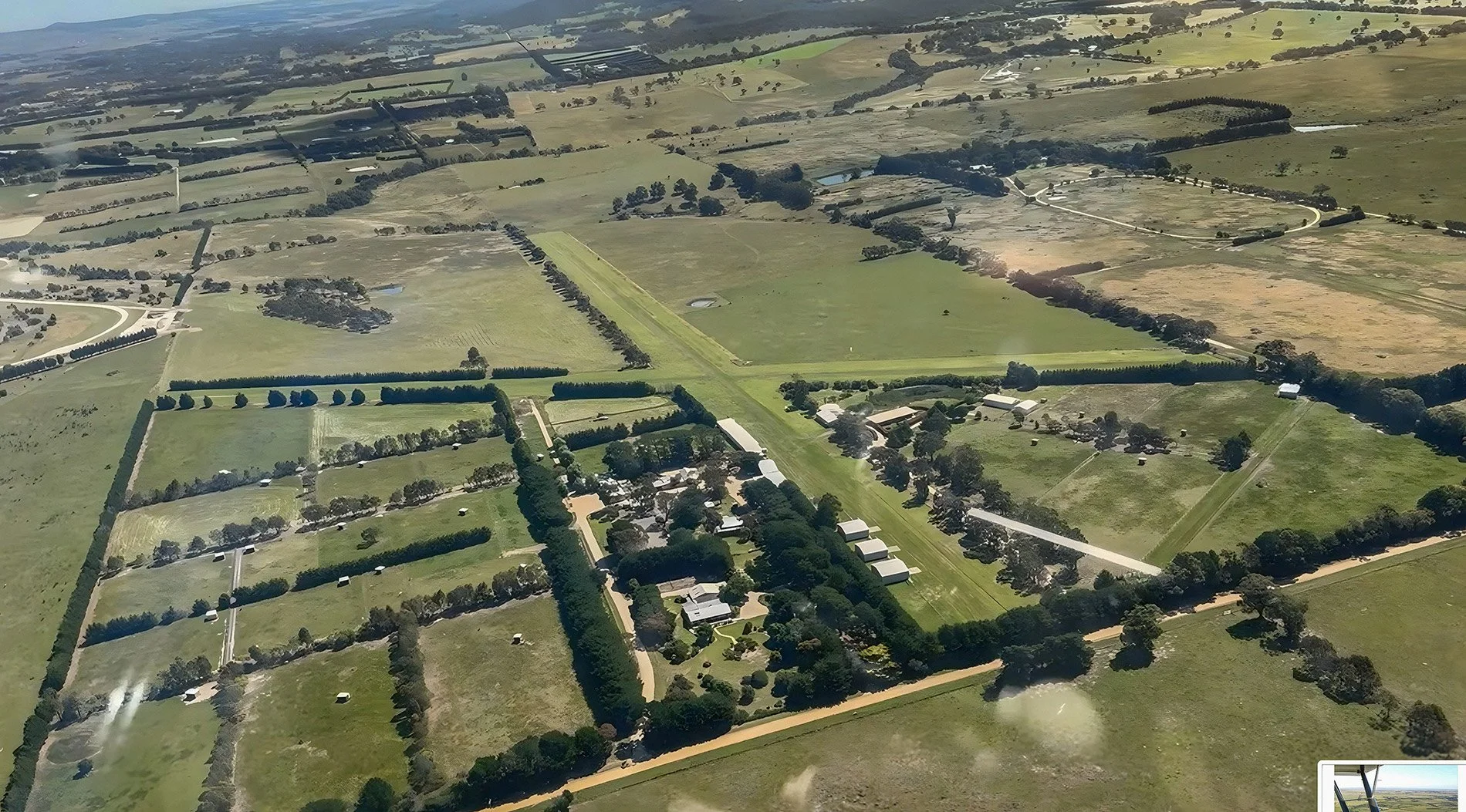
RH circuits on runways 15 and 21. LH circuits on runways 33 and 03. This means all circuits are flown to the west and south of the field.
-
The taxiing area in front of the hangars must not be used as an extension of runway 03/21 for take-off or landing.
-
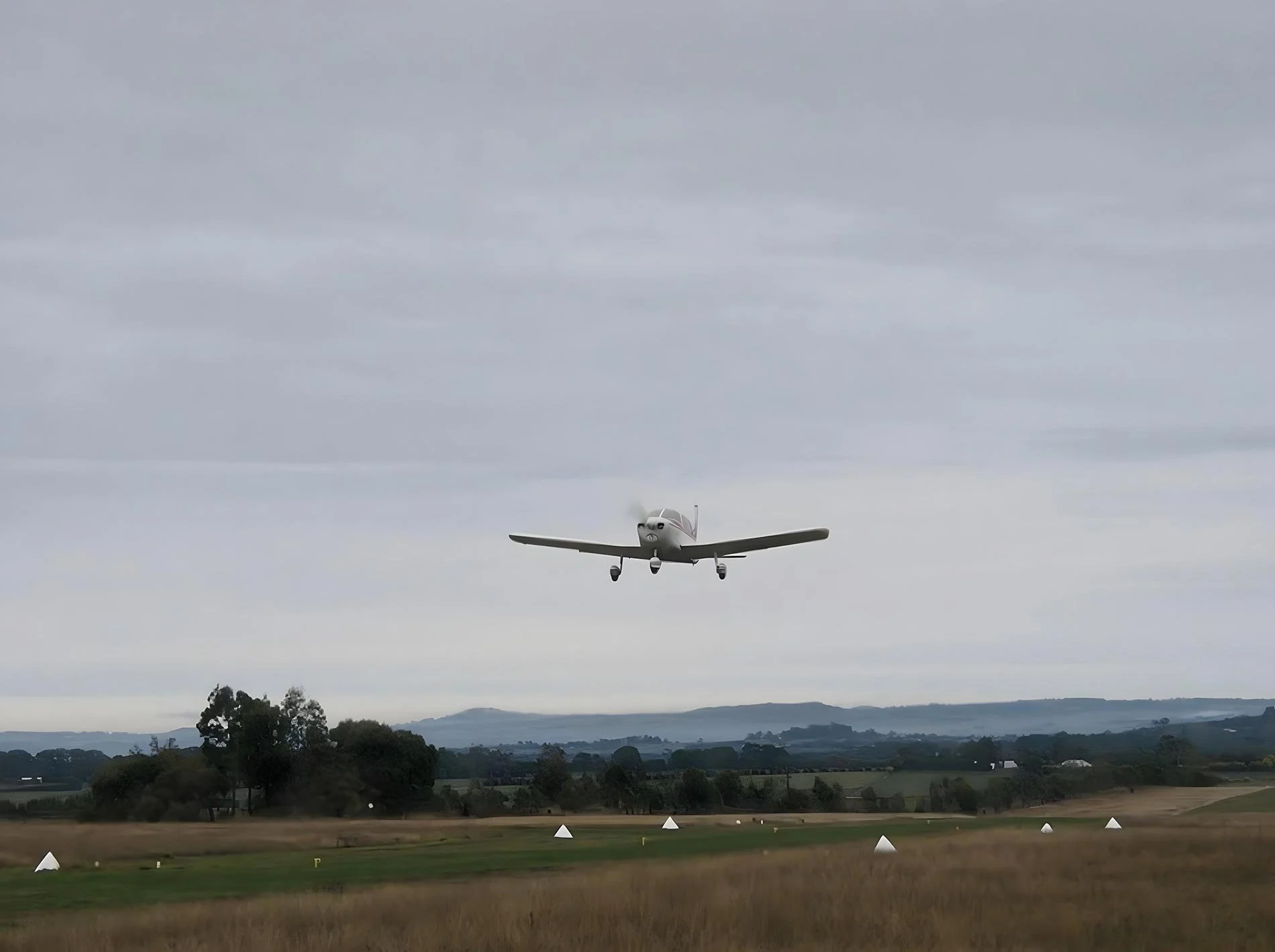
White runway markers distinguish the threshold.
Flying Conditions
Disclaimer: Weather information shown here is for general reference only. Pilots must always check the latest official weather reports and forecasts before flying.
-
Our Romsey webcam is currently out of service - please refer to the Kilmore Gap webcam and select 270° to view west towards Romsey.
-
Summer: Daytime averages range from 24°C to 25 °C, with occasional daily peaks around 30 °C or a little higher. Nights generally sit around 12 °C to 13 °C.
Autumn & Spring: Typically pleasant, with daytime highs between 15 °C and 20 °C.
Winter: Cooler and crisp. Daytime temperatures average 9 °C to 10 °C, while overnight lows may drop to 4 °C or lower.
-
Romsey receives an average of 690 mm of rain annually. Rain is fairly well distributed through the year, with winter and spring months generally getting wetter.
-
Summers occasionally see 35 °C-plus temperatures, though heatwaves are typically short-lived.
Frosts are possible in winter, particularly on still nights.
-
Romsey lies to the leeward side of the Great Dividing Range, which can lead to foehn-like (warm, dry) winds - especially from late autumn through spring. These “Great Dividing winds” may create sharp temperature changes and drier conditions.
-
Winds are moderate year-round, averaging 16–21 km/h. July is typically the windiest month, with prevailing winds often coming from the west and southwest.
-
Average relative humidity sits between 60–70%. Levels are higher in late autumn and winter, often contributing to damp and cloudy conditions.
-
Dew points generally sit around 7–8 °C in autumn, dropping closer to 4 °C in winter mornings, which can lead to mist or fog at times.
-
UV levels are strongest in summer, often reaching 10–11+ at midday. In winter, they fall to around 1–2.
-
Romsey experiences around 14 hours of daylight in summer and about 10 hours in winter.
FAQs
-
The airfield sits in the Kilmore Gap, south of Romsey, Victoria - around 40 minutes from Melbourne.
-
Pilots operate on CTAF 126.7 MHz, with an additional frequency available on 135.7 MHz.
-
Runway 03/21 is 975 m (3,198 ft) unpaved grass, not lighted. Runway 15/33 is 730 m (2,395 ft) unpaved grass, not lighted.
-
Yes. RH circuits are flown on 15 and 21; LH circuits on 33 and 03, meaning all circuits are to the west and south. The taxiing area in front of the hangars must not be used as an extension of 03/21.
-
Yes. Please refer to the circuit diagram for details on the noise-sensitive area and avoid overflying where possible.
-
Romsey experiences cool winters with frosts, warm summers with occasional heat spikes, and moderate winds (16–21 km/h, windiest in July). Rainfall averages 690 mm annually, with winter and spring wetter. Pilots must always confirm current conditions via official weather services.